Mechanical Foam Breaker for Ammonia-Nitrogen Wastewater
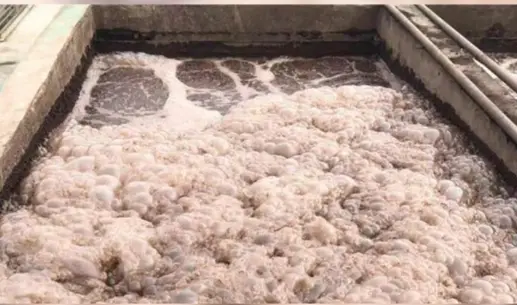
Ammonia-nitrogen treatment — biological nitrification or air stripping — produces thick, stable foam that hides tank levels and can carry biomass and liquor out of the process. Chemical antifoam dosing adds cost and can inhibit the very bacteria doing the work.
What foam actually costs you
- ▲Stable foam hides true tank level, disturbing retention time and dosing
- ▲Foam carries biomass and liquor over the weir — treatment performance loss
- ▲Chemical antifoam can inhibit nitrifying bacteria and adds consumable cost
- ▲Foam carry-over fouls downstream clarifiers and filters
How the DP Series fixes it
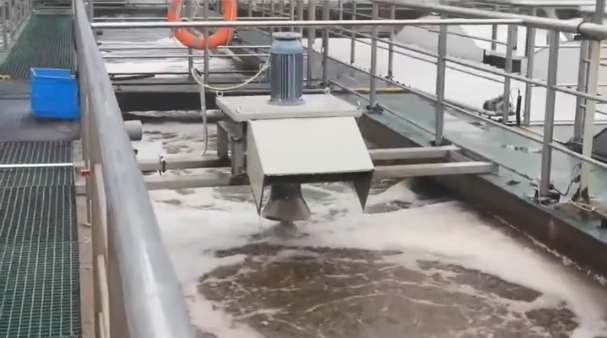
The DP Series breaks ammonia-nitrogen foam mechanically on open tanks and basins, returning separated liquor to the process. No dosing pumps, no chemical inhibition of your biology.
Open-tank and basin mounting above the liquid surface.
Discuss your treatment tank and foam rateDP foam breaker model range for Ammonia-Nitrogen
All DP models use the same mechanical defoaming principle — choose by your foam overflow rate. Size up one step if your rate is near the upper limit.
| DP foam breaker model | Power (kW) | Speed (rpm) | Defoaming capacity (m³/h) |
|---|---|---|---|
| DP-1 | 0.75 | 2,800 | 5 |
| DP-2 | 1.1 | 2,850 | 10 |
| DP-3 | 1.5 | 2,850 | 15 |
| DP-4 | 2.2 | 2,850 | 20 |
| DP-5 | 3 | 2,850 | 30 |
| DP-6 | 4 | 2,850 | 40 |
| DP-7 | 5.5 | 2,850 | 60 |
| DP-8 | 7.5 | 2,850 | 80 |
| DP-9 | 11 | 2,900 | 100 |
| DP-10 | 15 | 2,900 | 150 |
| DP-11 | 22 | 2,900 | 200 |
| DP-12 | 30 | 2,900 | 300 |
| DP-12S | 37 | 2,900 | 500 |
Mechanical foam breaker sizing calculator
Enter your tank dimensions and foam overflow rate. This calculator recommends the smallest DP mechanical defoaming machine that handles your process.
This application runs on the DP Series mechanical foam breaker — see the full model range, technical specifications, sizing calculator and wetted materials.
Why a mechanical foam breaker beats chemical defoamers here
Mechanical foam breaker (DP Series)
- • No chemical dosing — zero interference with your process chemistry
- • One-time purchase, 12-month warranty, 10-year service life
- • No ongoing anti-foam agent cost — payback in 6-12 months
- • No residue in product or effluent — food & pharma safe
- • Centrifugal principle: instant foam breaking at the surface
Chemical defoamer dosing
- • Recurring chemical cost every month
- • Can alter product flavour, colour or reaction chemistry
- • Residue in effluent increases wastewater load
- • Dosing pump maintenance and inventory
- • Overdosing kills the foam you actually need
Frequently asked questions
Why does ammonia-nitrogen treatment foam?
Biological nitrification and air stripping processes generate thick, stable foam from biomass, surfactants and process conditions — foam that can hide tank levels and carry liquor away.
Will the foam breaker inhibit my nitrifying bacteria?
No. Mechanical breaking adds no chemicals, so it cannot inhibit the biology. Chemical antifoam dosing is the one that can suppress the bacteria doing the nitrification.
Where is it mounted on treatment tanks?
The DP-K model mounts above the liquid surface on open tanks and basins, breaking foam where it forms.
How does foam control improve treatment performance?
With foam under control, true liquid level is visible, retention time is accurate and biomass stays in the process instead of leaving over the weir.
Foam control in related processes
Get a quote for your foam problem
Tell us your application, tank volume and foam rate — we will recommend the right DP Series model and quote within one working day.